
The Nature of Casino Games
Casino games encompass a wide variety of activities, each characterized by unique rules and mechanics. Some games are strictly games of chance, where the outcome is determined entirely by random events. For instance, games like slots and roulette are predominantly luck-based; players have little to no influence over the result beyond their initial betting choices. Many enthusiasts enjoy the thrill of playing at an online casino nz where the excitement is matched by the potential for big winnings. This randomness invites many to indulge without the need for extensive knowledge or strategies.
On the contrary, there are games that require a considerable amount of skill and strategy to maximize winning potential. Games such as poker and blackjack require players to make strategic decisions, read opponents, and manage their resources wisely. In these scenarios, the player’s decisions have a significant impact on the outcome, illustrating that not all casino games can be reduced to mere luck.
Moreover, the presence of skill in certain games adds a layer of complexity and engagement that attracts a specific demographic of players. The interplay between luck and skill can vary dramatically within the casino landscape, prompting ongoing debates regarding the true nature of these games. Understanding this dynamic is crucial for both players and operators aiming to navigate the intricacies of the gaming world successfully.
Luck in Casino Games
Luck plays a vital role in many casino games, primarily due to the nature of random outcomes. In games like slot machines, the results are dictated by random number generators, leaving players at the mercy of fate. This element of chance is appealing, as it allows for potentially life-changing wins from minimal investment, captivating a broad audience of players seeking thrill and excitement.
The unpredictability inherent in luck-based games enhances their entertainment value. Players often engage in these games with the hope of hitting a jackpot or achieving a remarkable win, contributing to the adrenaline rush that many seek from the casino experience. While they may not require extensive skills or strategies, luck-based games can still foster a sense of community among players who share their experiences and celebrate their wins.
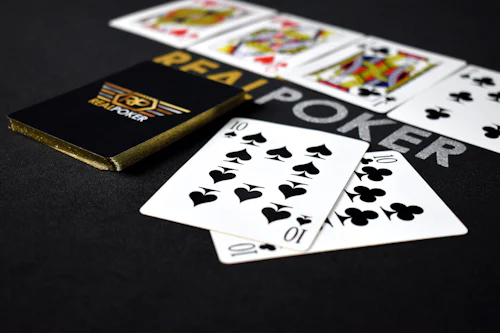
However, it’s important to note that reliance on luck alone can lead to negative outcomes, such as problem gambling. Players attracted to the allure of quick wins may overlook the risks and the reality of losing streaks. Understanding the role of luck in casino games is essential for creating a responsible gaming environment that promotes awareness and sensible play.
Skill in Casino Games
Skill-based casino games, such as poker and blackjack, differentiate themselves by requiring a deeper understanding of mechanics and strategies. In poker, for example, players must not only play their cards right but also analyze their opponents’ behaviors and betting patterns. Successfully mastering these elements can result in a significant edge over less skilled players, demonstrating that knowledge and experience are invaluable assets.
In blackjack, players can employ various strategies, such as card counting, to make informed decisions that affect the game’s outcome. This blends luck and skill, as even the most skilled player cannot change the shuffle of the cards but can influence their decisions based on the cards dealt. The combination of skill and luck adds to the challenge and excitement, making these games appealing to serious gamers.
The nuanced strategies involved in skill-based games encourage players to continuously improve their abilities, contributing to a sense of achievement beyond monetary gain. This focus on skill fosters a different kind of engagement and community among players, who often share tips and strategies to help one another improve. As the popularity of skill-based games continues to rise, they reshape the landscape of the casino experience.
The Balance Between Luck and Skill
The ongoing debate surrounding luck versus skill in casino games often leads to a discussion about the balance between the two elements. In many games, luck plays a critical role, but skill can significantly enhance a player’s ability to navigate unpredictable outcomes. This duality is evident in games like baccarat and craps, where while the outcomes are largely luck-based, understanding the odds and making strategic bets can influence long-term success.

Additionally, in online gaming environments, the introduction of skill-based elements has been embraced, allowing players to engage in more interactive and strategic gameplay. For instance, skill-based elements in slot games often feature mini-games or challenges that require players to apply strategy, thus merging luck and skill into a cohesive experience. This evolution is attracting a new wave of players who seek more depth in their gaming experiences.
Understanding the intricate relationship between luck and skill is vital for players wishing to develop a successful gambling strategy. Awareness of both elements allows players to approach casino games with realistic expectations, embracing the entertainment aspect while being mindful of potential losses. As the gaming landscape continues to evolve, this balance will only become more pivotal in shaping player experiences.
Conclusion and Implications for Players
The debate on whether casino games are purely based on luck or skill reveals the complexity of the gaming world. While games of chance like slots and roulette cater to those chasing luck-based excitement, skill-based games like poker and blackjack offer a strategic challenge that many players treasure. This rich diversity allows casinos to cater to a wide audience, appealing to both casual players and strategic thinkers alike.
Understanding the nuances of these games empowers players to make informed decisions about their gambling pursuits. For those seeking entertainment and social experiences, luck-based games may suffice, whereas players seeking a deeper, more strategic engagement may gravitate towards skill-based options. The key lies in recognizing personal preferences, setting limits, and enjoying the gaming experience responsibly.
As the gaming industry continues to innovate, it remains imperative that players adapt to the evolving landscape of casino games. Embracing both luck and skill can enhance the gaming experience and lead to more fulfilling encounters, regardless of the game type chosen. By fostering awareness and promoting responsible gaming practices, both players and operators can thrive in this dynamic environment.